|
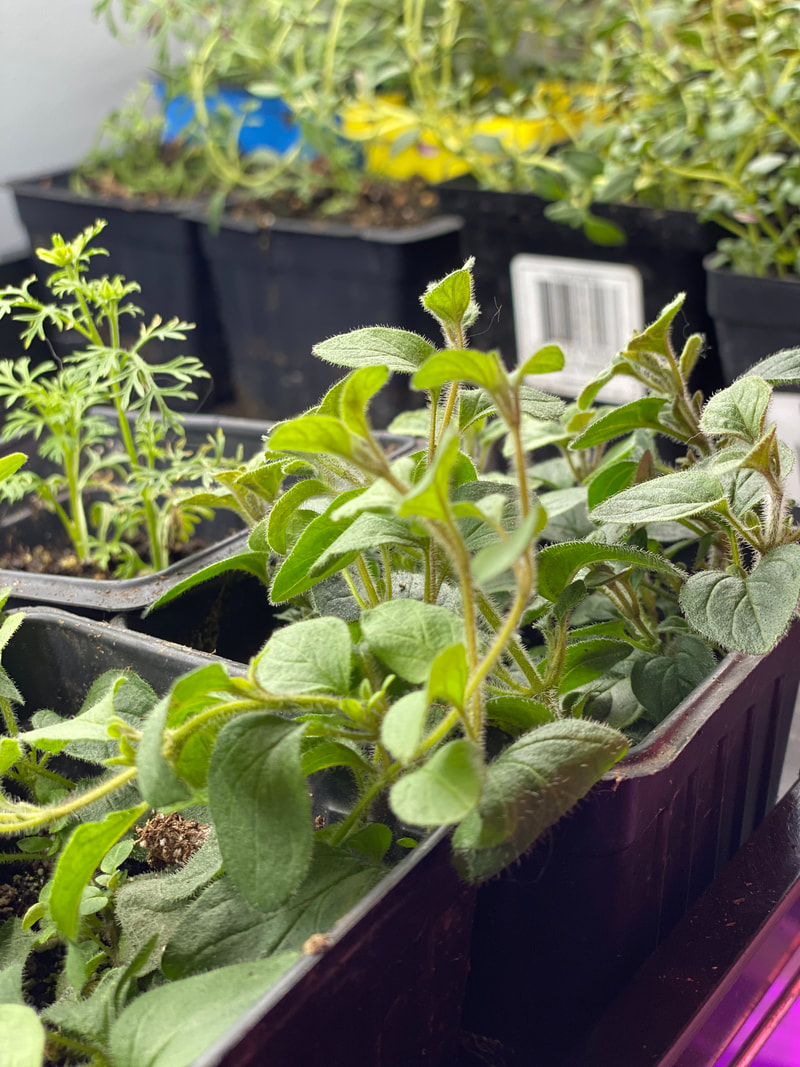
According to Wikipedia, woad (Isatis tinctoria) is considered by some to be a noxious and invasive weed if left to its own re-seeding abilities. In fact, growing woad has been eradicated and banned in certain states. To natural dyers, woad is known as a dye plant. Woad is an ancient flowering plant in the mustard family used in medieval times as blue dye and for its medicinal properties. The dye extracted from the leaves produces a weak form of indigo - replaced later after the 17th century by Indigofera tinctoria. It all started when I decided to plant a dye garden, and bought several types of seeds, including both indigo and woad. Unfortunately, the indigo did not germinate, but the woad grew nicely in one section of my raised bed. Woad is a bi-annual plant. During its first year of growth, the leaves can be used to create a dye. The leaves are broad and tender, and smell a bit like cabbage. The second year, the plant isn't much good for dying, but produces tiny yellow flowers which turn into many many seeds. I first grew some woad in 2023 and managed to dye some fiber. As a responsible woad plant grower, in its second year I cut the seed stalks before they scattered and saved them in a jar for future use. This year, I grew a few more. Information about dying with woad is available, but there are few sources. Even the dye books rarely mention it. Perhaps because of the risk of it becoming invasive, and that indigo produces a truer blue it has fallen to the wayside. I found one web site and followed her instructions with satisfactory results. The color is not vivid and dark, maybe because I have a small patch and used too much fiber... but it did produce a nice turquoise blue on my mohair. I've read that they can be harvested more than once in a growing season if you leave the plant and the small center leaves. Being Mid to late July - it was time to harvest, Some of the leaves were getting past their prime, so those were discarded. I didn't weigh the harvest, but after shredding them by hand, they filled a five gallon bucket half full. Step 2: The next step was to cover the leaves with boiling hot water, and cover them with a tight lid for 45 minutes. After soaking, I removed the leaves by pouring the mixture through a strainer. The liquid was a rusty red color. Step 3: Add ammonia to reach a pH of 9. It didn't take much to achieve the proper pH. The color turned from the orangey red to a murky green. Now its time to aerate the vat. This is accomplished by pouring the liquid back and forth between two buckets, for about 10 minutes. The vat will become frothy. Step 4: Add a color remover/ color reducing agent. For this activity i added 1 1/2 packages of RIT color remover powder, sprinkled on the top of the 5 gallon solution. Cover with an airtight lid, and wait 45 minutes. The solution turns a translucent yellow, with green along the rim. I'm adding two separate photos here, from the two times I've tried this method. Step 5: Add the fiber! Add wet fibers to the vat. Do not agitate. The goal is to prevent adding introducing air to the vat. Being uncertain how long to leave the fiber in the vat, I waited 15 minutes and then removed the fibers. As the fiber is exposed to air, it magically begins to move from yellow to blue. In this case, the mohair becomes a bluish/ green color. I'll let it dry overnight, and then rinse tomorrow. The wool yarn did not take the dye quite as well as the mohair, showing a much lighter bluish green. The total weight of fiber used with this vat was 1.75 pounds. Each dip producing a lighter color.
0 Comments
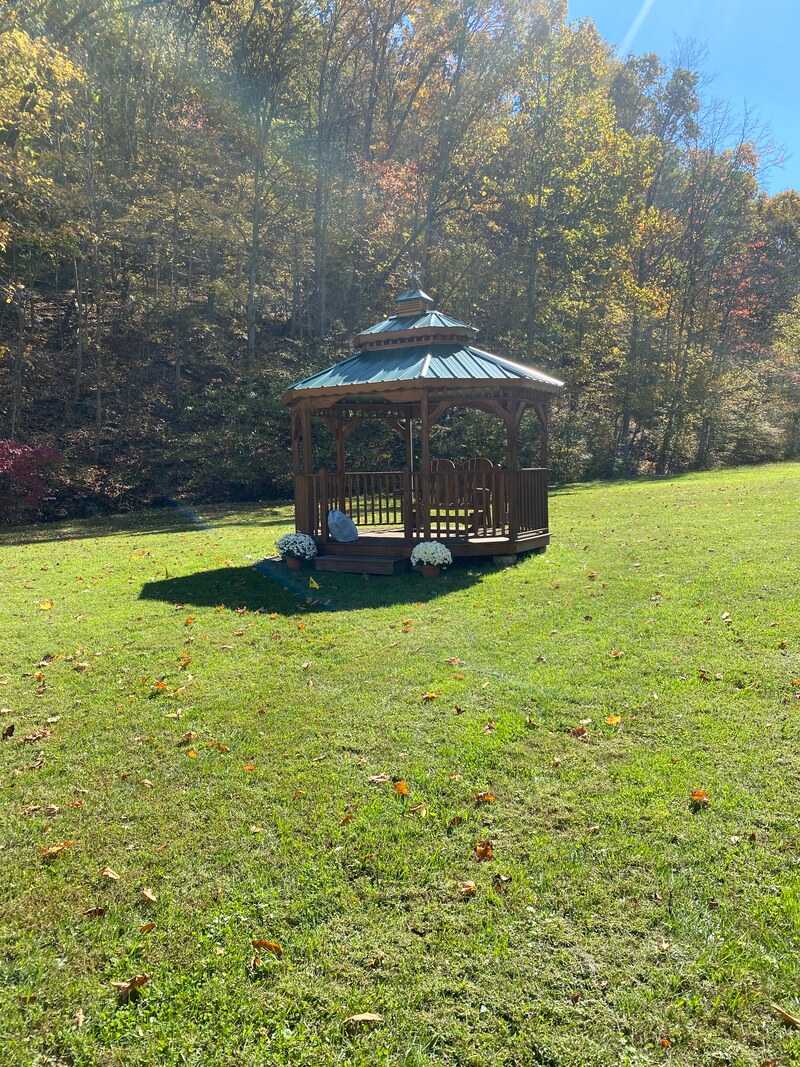
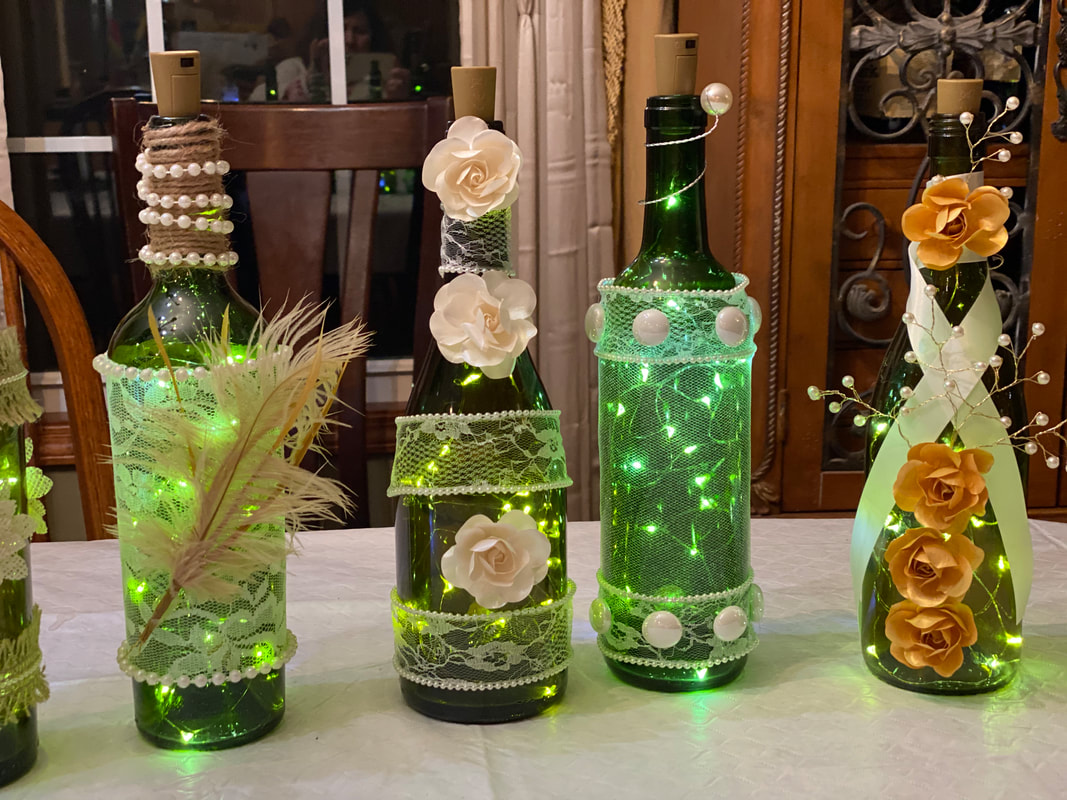
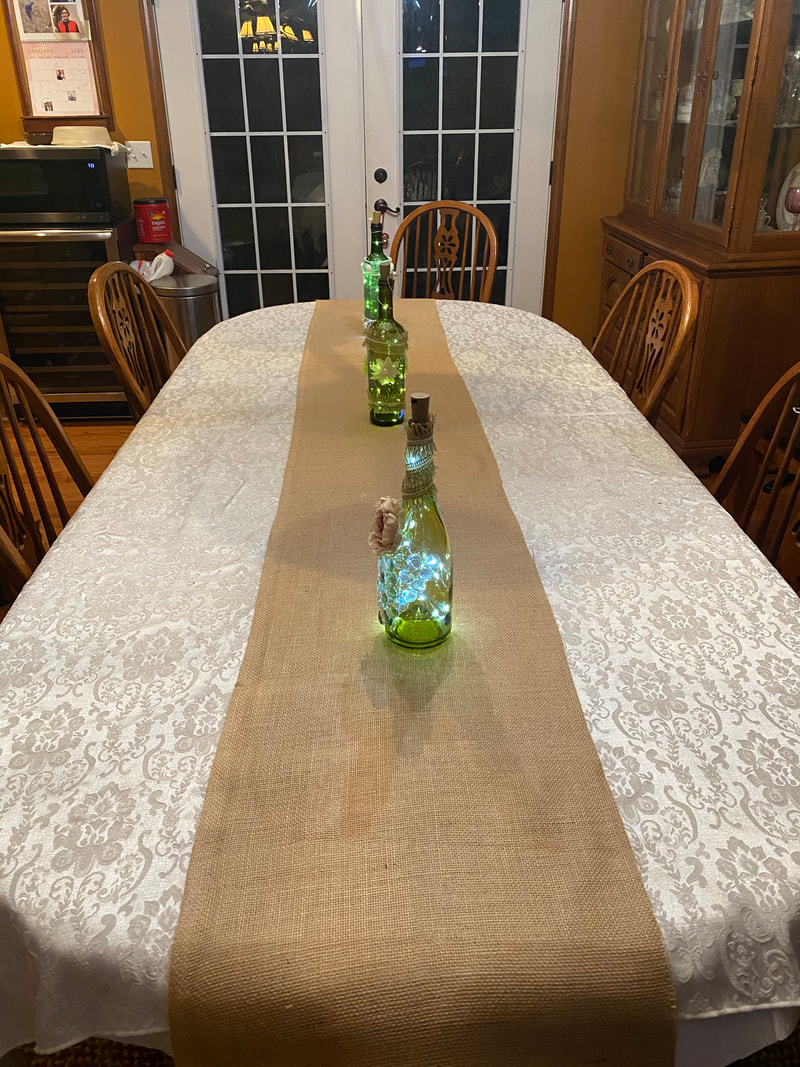
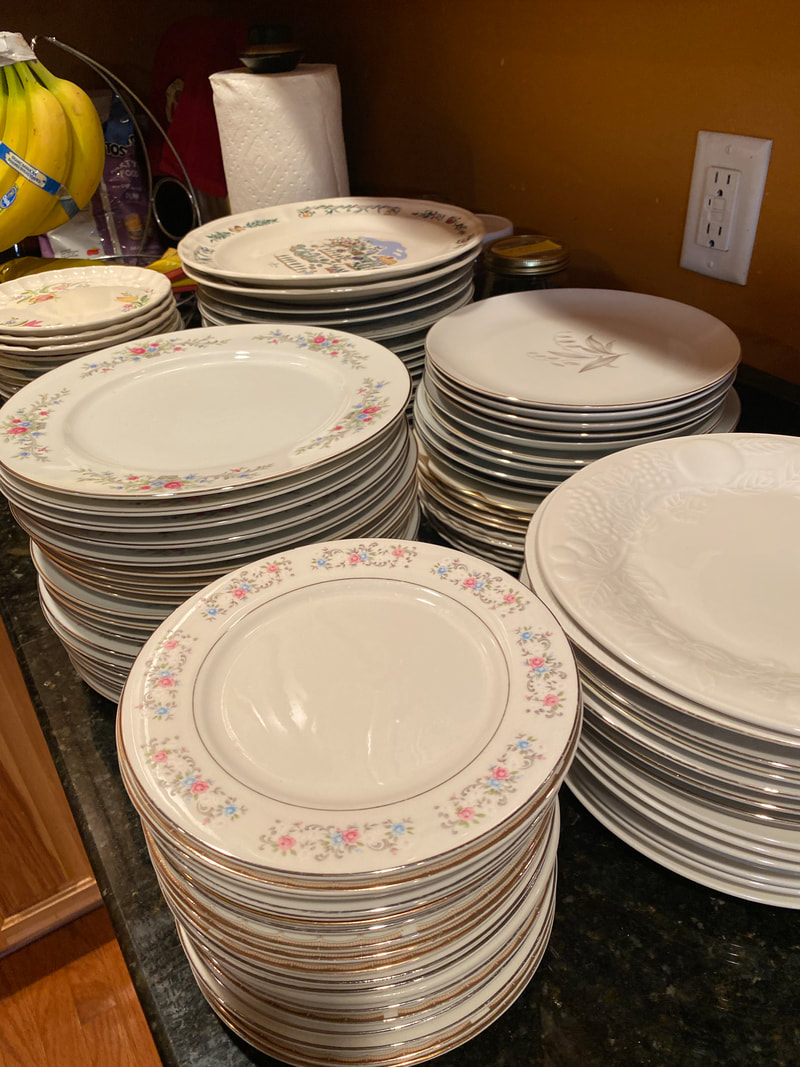
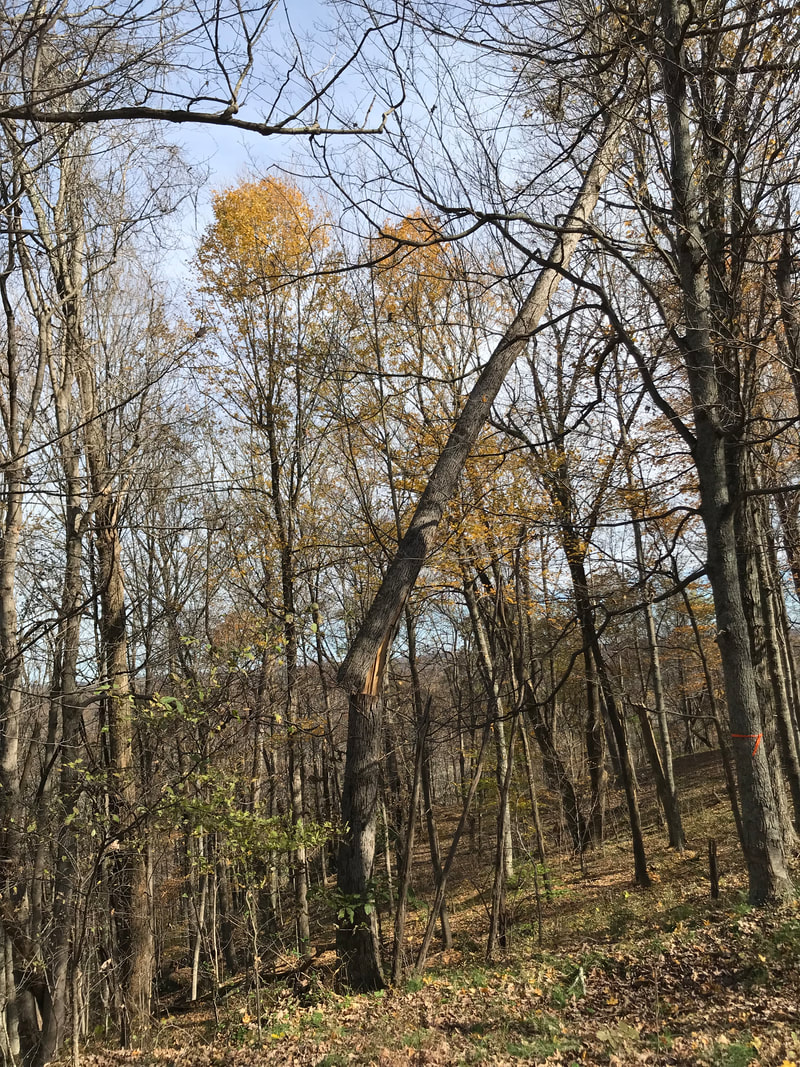
I can't let February 2021 pass without sharing some images of the ice storm that brought our region to its knees. My friends and neighbors experienced varying degrees of loss of power, all forms of communication and water. Many suffered damage to their homes due to falling trees, power surges and frozen pipes. It was a trifecta of storms beginning 2/11 and finally ending with a slow warming on 2/20. We were very lucky, with only about 5 days of lost of utilities. We had no structural damage, but lost many many trees throughout the woods and along the trails. Fence line damage is yet to be discovered. We were lucky to have a fireplace fueled by plenty of wood to keep us warm and access to a generator to maintain critical appliances and baby chicks. It is impossible to capture the extensiveness of the damage in a photo. Yet, among it all was an indescribable crystal white beauty. Where can I begin to describe 2020? It was a hard year, one of the hardest, and one that will go down in history. Not just for me, but for everyone I know. Every person has a story to tell about their struggles and experiences of 2020. The events of the year were life changing. It is so hard to know where to begin, since many topics deserve their own page, not simply a paragraph and a picture. There was much suffering and sadness and it was filled with uncertainty. But, there was one bright spot that stood out, one moment of happiness that shines through the darkness. Each for our own reason, my family will find peace in memories of this day. 2019 flew by without an update nor the traditional end of the year summary. Maybe I can blame my lack of interest in the blog to writers block, burnout, or stress and lack of focus. Life events happened. There was Connor's High School graduation. John and his sisters lost their sweet Mother, Carmen. And my Carmen became engaged to her Rocco. As for the farm, the best I can recall, a pole barn was built on top of the hill, which remains empty for the most part. Work continued on the pond, and the garden was a bust. My she-shed was completed in the basement, and the milk room was added to the goat barn. Sadly for me, the horses found a new home where they could enjoy riding again. I sold some goats and planned for less babies in anticipation of a 2020 spring wedding. The date was set for May 30, 2020, and for the remainder of 2019, wedding planning was in full swing. My Mom and Dad were beyond excited to have a second wedding on their farm. To my Dad, it was a reason to keep fighting the battle. He had a goal, to be there to see it through. A perfect Gazebo was built on the wedding spot for the bride and groom, and the venue was planned and prepared. Mom worried and analyzed every detail. Carmen and I shared Pinterest images and searched for the perfect theme: a rustic, Tuscan farm wedding. As winter came, one that was milder than usual, I spent much of my time indoors making bottle lights and growing herbs for table decorations. As 2020 began, a few new arrivals joined the farm. |
AuthorMy name is Christy Franklin. Archives
February 2021
Categories |